Where did the ‘common sense’ go? Why critical thinking is less of a common commodity than you might think
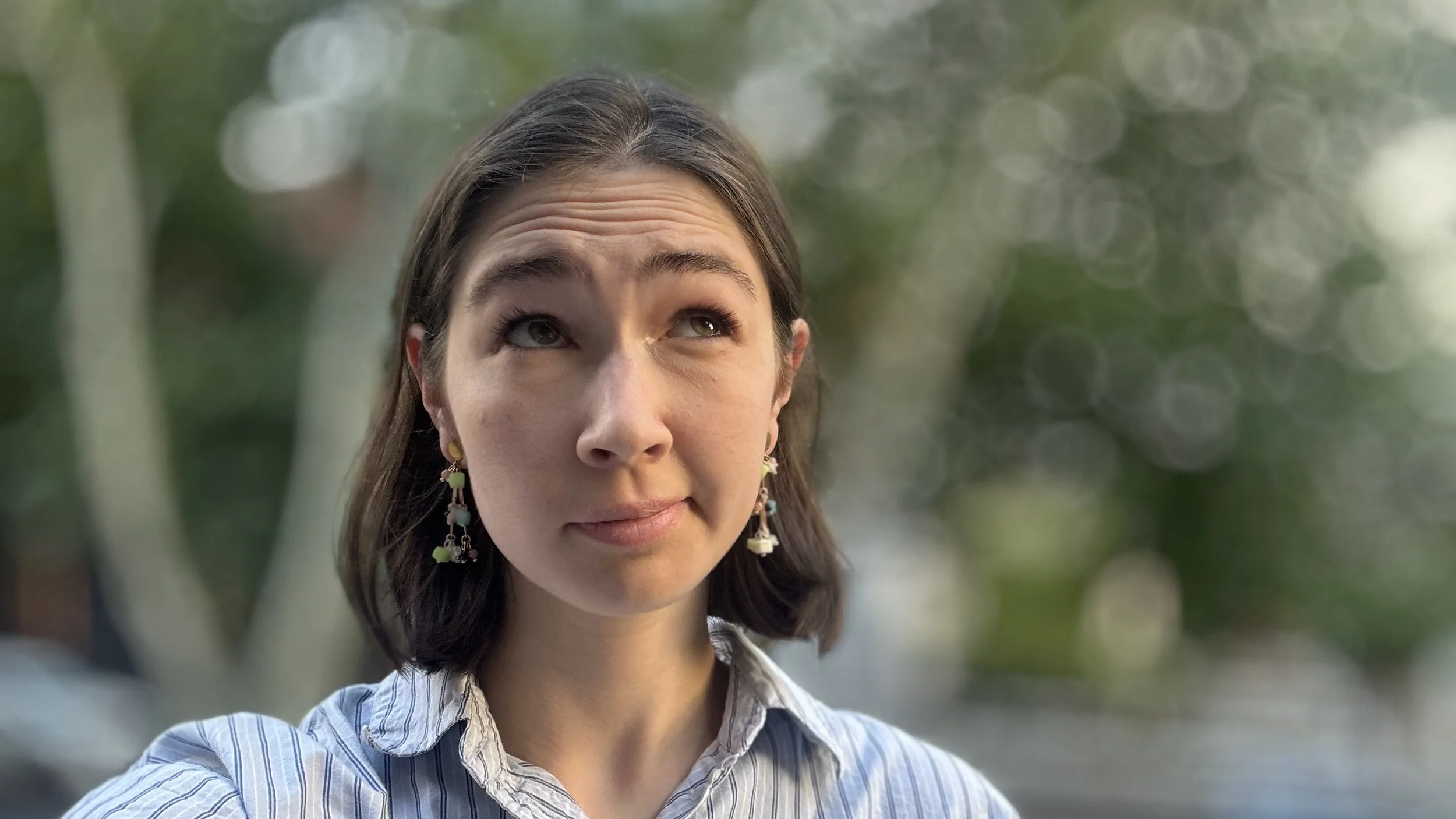
If I had a penny for every time I heard someone say some variation of
‘common sense just isn’t so common anymore’...
I’d have a lot of pennies.
To be honest I don’t know if it would make a lot of difference in this economy but it could make up for the constant slander generally aimed at my generation… yes, I’m talking about Gen Z.
Now, I feel separated enough from this ‘problem’ as a qualified old soul to make a comment. Having grown up with these *delinquents* I may have even some exclusive insight on the strange breed every other generation seems to have a vendetta against.
If you’re Gen Z reading this in disgust, it turns out making you mad about something keeps your attention… so, yay me! Keep reading, I’ll redeem myself I promise. If you’re not Gen Z this is equally as relevant - ultimately (in my opinion) the conscious practice of this skill is THE edge that will set you apart from the norm.
Hint: critical thinking or common sense is not so much a hidden, mysterious talent as we may think…
So where did it go?
Here’s some backstory which frames how I come at this… trust me the storytime has a purpose
I was home educated for most of my schooling years which is a very different experience to a large portion of children. I socialised widely with both ‘school kids’ and ‘homeschoolers’ and from a young age I was hyperaware of our differences. This is not an article dissing the school system (I’ll save that for another time) but I think it sets an important foundation for how I learnt critical thinking.
My education was largely self-lead in the sense I learnt how I wanted to learn, I found curriculums that suited the way I learnt and curiosity drove my exploration of the world.
Science was being pushed to figure things out - why the cake didn’t rise (baking powder never made it out of the pantry), why the UV is sometimes stronger if it’s cloudy, why is the sky blue… you get the idea. Instead of my solutions being upside down on the opposite side of the page of the textbook they were in the world, and in the information age we have so. much. knowledge.
I was challenged to socialise with a diverse range of people; from a square dancing community (average age 60 at least) to teaching creche at church. Instead of being placed in a melting pot of young people all day every day my ‘people education’ was organic and self lead.
All of this to paint the picture that my problem solving and creativity was uninhibited and I was not incentivised to fit in or be ‘cool’. I learnt to value my autonomy and recognise that came from my ability to think critically.
In just about every coming of age book not ‘fitting in’ is the trauma that shapes children. Don’t get me wrong, some thrive in this environment, for a good portion it is stifling… why? because they cannot freely develop their own ideas.
This has expanded beyond classrooms with the capability for people to surround themselves with affirmation of their identity, ideas and beliefs 24/7. Some of this has been incredibly positive but with the lack of challenge I believe it is becoming more difficult for young people to develop the capacity to critically analyse how their set of beliefs sit in a world of opinions.
Exploring differences through intellectual discussion and growing from that experience has become more difficult - a change that is recognised by more than just Gen Z. I myself nowadays am not always sure how to broach some topics for fear of causing offense - perhaps there is some allowance for naivety, that is of course how we all learn… no?
Just to add something to that stack of challenges, we have AI being widely utilised which scientifically just reduces brain activity in an experience conducted on highly educated people writing essays. It also is highly affirmative and we’re beginning to see the repercussions of that with people claiming ‘Chat GPT is my best friend!’. Again it’s contributing to this highly personalised opinion bubble where you never have to be challenged again - it might be comfortable but you know the age old adage about the tree that grows with no wind (tribulation).
Suffice to say Gen Z has had a bit more to conquer than our predecessors…
So when young Tiana entered the workforce and then university she was somewhat surprised to discover that among her peers common sense (AKA critical thinking) was tending to be a more uncommon trait than its title would suggest. This is not a unique experience as I mentioned at the start of this blog.
Come on Tiana, surely there’s some positive conclusion?
Contrary to what young Tiana believed, critical thinking or common sense is not wholly intuitive and we all benefit from intentional practice. In my next blog I’ll share some discoveries I’ve made in my research and experience trying to share this elusive skill and articulate methods to strengthen this muscle.
What I will say is that it’s achievable and like all good things, takes some practice.
See you soon!